Keep the fbclid through the redirect
You paid for the click. The tracker log for it has no fbclid, and the server event you send to Meta has no click to match.
Meta appends fbclid to the landing URL when someone clicks a Facebook or Instagram ad. The Conversions API matches that click with fbc, which you build from the parameter. A redirect or a tracker hop that drops the parameters removes it before anything can store it. Open the URL your tracker or presell actually loads and confirm fbclid is still on it. Then follow the pixel and Conversions API guide for the server send.
Open pixel versus Conversions API
What fbclid is
fbclid is Meta's ClickID. Meta's parameter guide calls it a parameter passed with the advertiser's website URL when someone clicks an ad on Facebook or Instagram.
UTM tags are the labels you put on the ad yourself. fbclid is the extra parameter Meta adds at the click. Voluum's ecommerce setup tells you to place fbclid under External ID, and to remove any fbclid you added by hand on the campaign link, because Facebook adds the parameter on its own.
The ClickID is case-sensitive. Meta's note on that page says to leave the casing as it arrived, capitals included.
On a Google click, the matching parameter is called gclid. The tracking-template guide shows how a tracker reads that value. It is a different string, from a different ad platform.
How that value becomes fbc
The browser pixel can store the click in a first-party cookie named _fbc. The Conversions API field inside user_data is fbc. Same click, three names: the URL parameter, the cookie, and the server field.
The same Meta page says the formatted ClickID is version, subdomainIndex, creationTime, and the fbclid, with periods between them. version is always fb. subdomainIndex follows the domain level: com is 0, example.com is 1, and www.example.com is 2. creationTime is the UNIX time in milliseconds when _fbc was stored. If you do not save that cookie, creationTime is the moment you first saw the fbclid. The last segment is the fbclid from the URL.
When you build fbc on the server and you have no saved _fbc cookie, subdomainIndex is 1. A walkthrough of the parameter summarizes Meta's instruction: if the cookie is missing and the URL contains an fbclid, build fbc from that URL and use the current time as the creation time.
That Meta page also documents fbp beside fbc. fbp identifies the browser, and the match for this click is fbc.
The hop that drops it
The click runs from the ad to the tracker URL, then the presell, then the network. Each of those hops has to carry the parameters forward.
A 301 or 302 that rebuilds the Location without them strips fbclid before the pixel or the tracker script runs. One documented case is a host's publishing redirects: visitors reached the new address with no query string, so the parameter was already gone.
Read fbclid off the address that still carries it, and store that string before any later step cleans the URL.
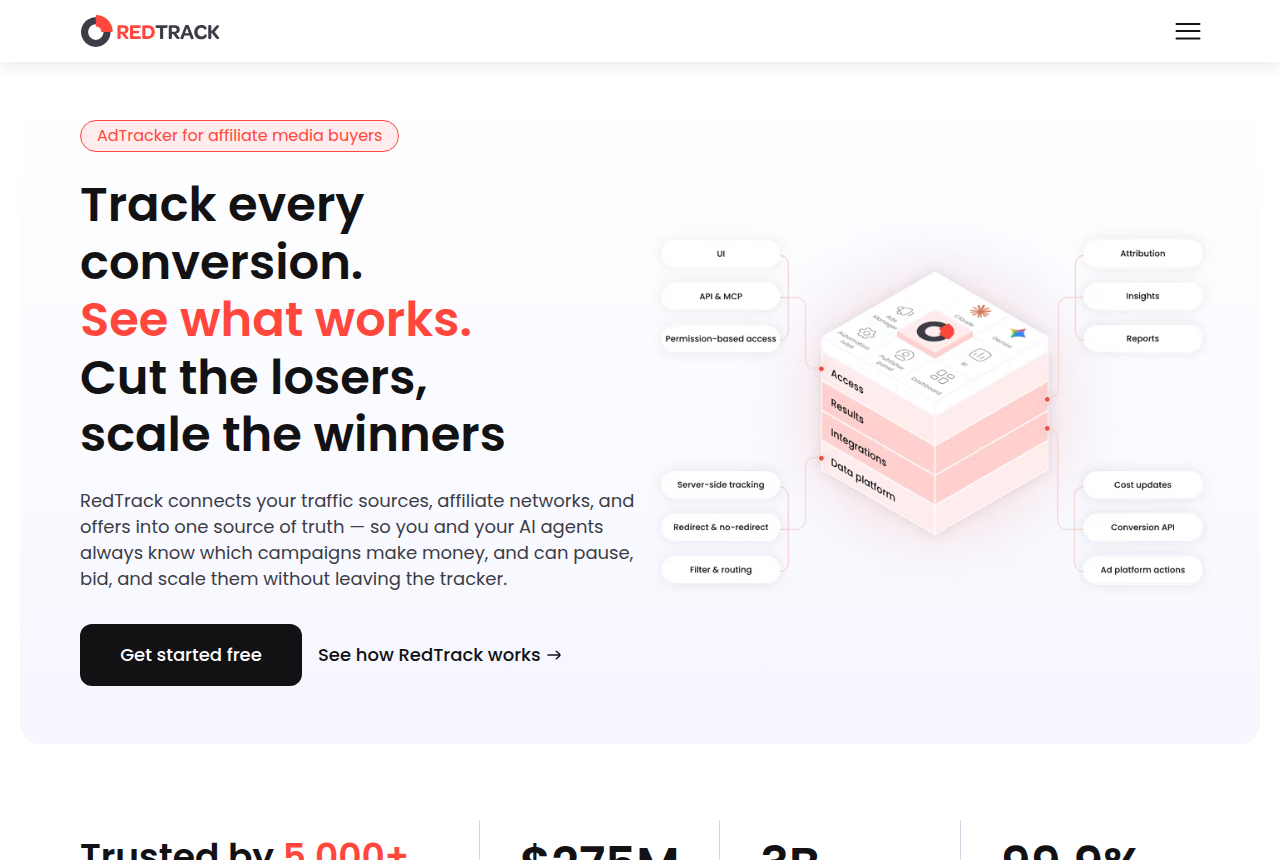
RedTrack's Facebook tracking page tells Meta advertisers that redirect URLs are generally forbidden on Meta. It recommends no-redirect tracking on a custom domain.
What each tracker keeps from the click
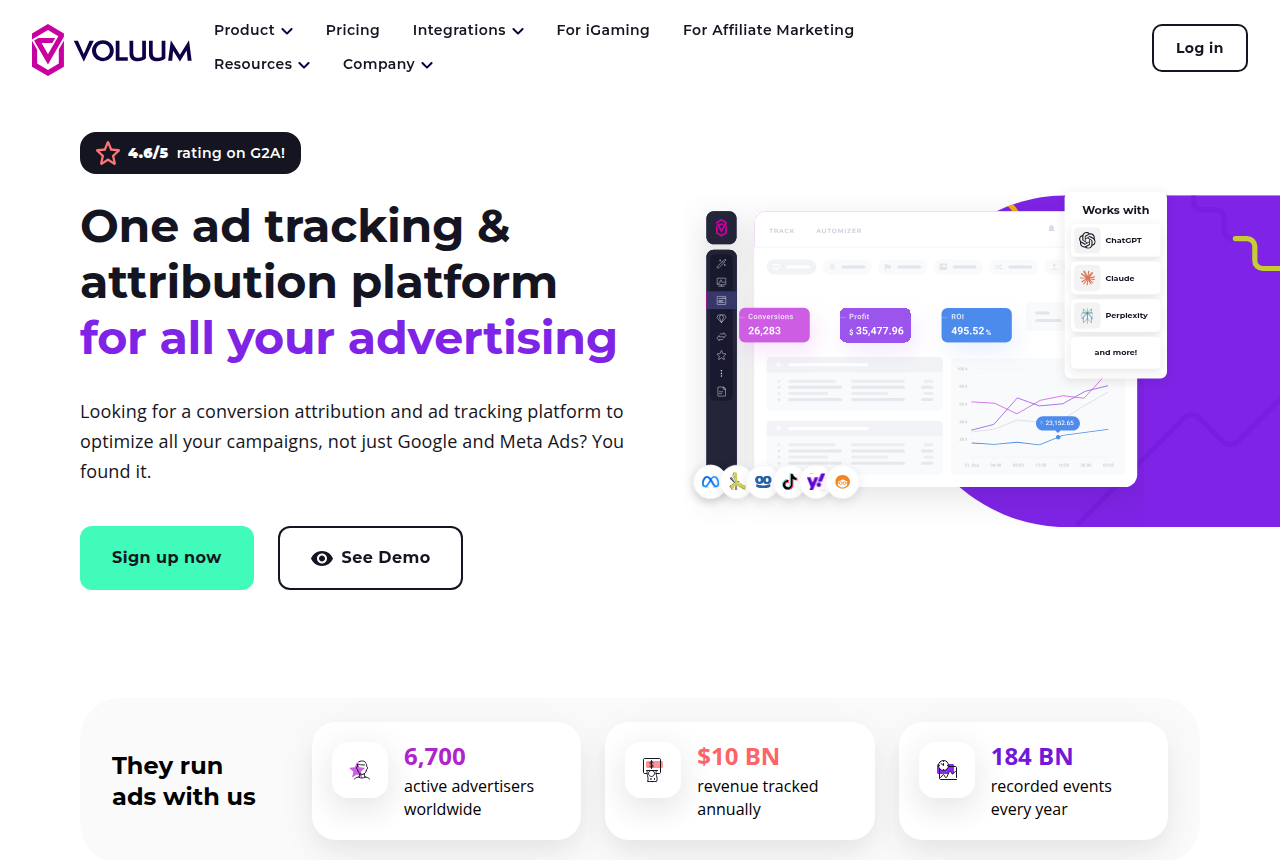
Voluum stores the traffic-source click ID as externalid. Map fbclid into External ID on the Facebook traffic source so the {externalid} token returns that value. Its postback article says that token relays the click ID to the traffic-source postback once a conversion registers.
The Voluum review covers the plans and the trial.
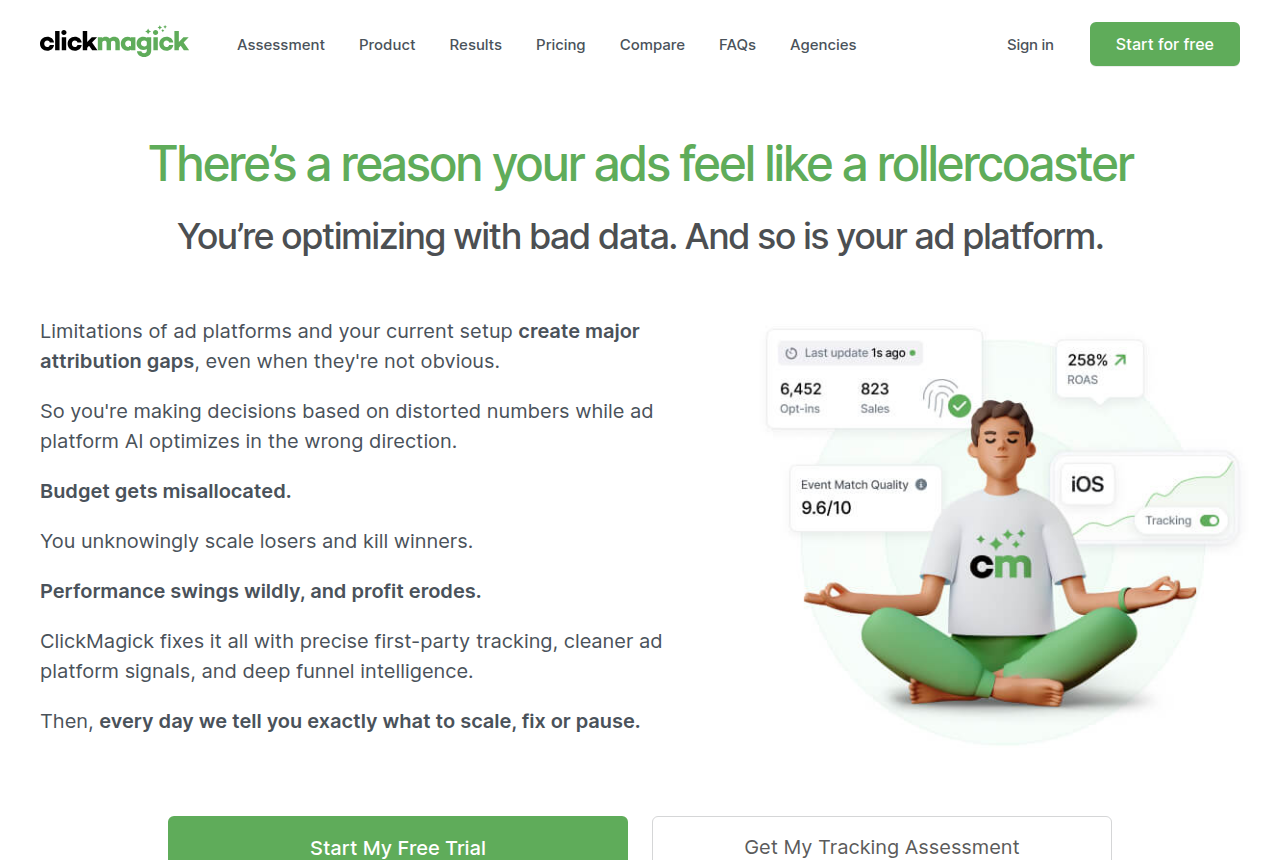
ClickMagick Audience Optimization sends a Facebook conversion only when the visitor record has fbclid, or email, first name, last name, phone, mobile, date of birth, gender, city, state or province, postal code, or country. The same article says each Facebook conversion event has a lookback window, and that window is 90 days. An older click can be skipped or rejected. When the network approves long after the click, the late-approval checker compares the click date with the approval date. The ClickMagick review is the longer write-up of the tool.
ElasticFunnels is a funnel platform for teams that run paid traffic. It builds the pages, split-tests variants under one URL, hosts the checkout, and keeps the click on the same record as the order. On a hosted page it stores the fbclid from that URL, plus _fbc and _fbp. When the _fbc cookie is absent, it builds fbc from the fbclid, using the format above. Its Meta Ads page says sales and upsells go to Meta as server-side Purchase events with the order value and currency, and those payloads carry fbc and fbp.
ElasticFunnels is newer than the platforms it competes with, and there is very little independent review coverage to check that fbc build against. Until you run real volume through it, you are largely taking the vendor's word for the server send. It has been on the market since 2023, which is why those outside write-ups are still thin. The pages, the same-URL split test, and the checkout are still part of the account. The ElasticFunnels review goes through the rest of the platform.
RedTrack markets a pre-built integration with Meta's Conversions API on that same Facebook page. The upload sends online and offline conversion data back to Meta, alongside the no-redirect setup on the custom domain. The RedTrack review has the plans.
Check the stored click first
Open the hit in the tracker log. The address on it should still show fbclid. If the parameter is already missing, the loss happened on a hop before capture, which is the redirect case above.
The server payload needs that formatted fbc, with the four segments from the section above.
If the pixel fires as well, the deduplication guide covers matching the two Purchase events. If the conversion you send is the approved sale, use the late-approval checker for the click date against the Facebook lookback above. The offline guide covers the postback that follows a network approval. When the presell is a WordPress page between the tracker and the offer, see what the WordPress plugin sends to Meta.
My take
I would start with the URL the tracker stored, and I would skip any change to the pixel until fbclid is on that URL. I would judge the server event by whether its fbc uses the four segments above. If those segments are present and Ads Manager still misses the sale, the next page is the pixel and Conversions API guide.
Changelog
- 22 October 2026: first published, covering the fbclid on the ad click, the fbc format, the redirect that drops it, and what Voluum, ClickMagick, ElasticFunnels, and RedTrack document about keeping it.
What we read
- Meta's parameter page for fbp and fbc, which sets the ClickID format.
- The fbclid walkthrough, which cites the instruction to build fbc from the URL.
- Voluum's ecommerce setup, which maps Facebook's parameter to External ID.
- Voluum's postback article, which describes the {externalid} token.
- ClickMagick's Audience Optimization article, which lists what a Facebook upload requires.
- ElasticFunnels's Meta Ads page, which describes the server Purchase.
- RedTrack's Facebook tracking page, which recommends no-redirect tracking.
- IsPixelWorking's note on a 301, which dropped the parameter before the pixel ran.
Related reading
- Browser pixel versus the Conversions API
- Meta offline conversions after a network postback
- Deduplicating pixel and server Purchase events
- WordPress presell and the Conversions API
- Late network approval and Meta's clocks
- Compare guides
- RedTrack review
- ClickMagick review
- Voluum review
Open pixel versus Conversions API
Written by
Nadia Lindqvist
Affiliate tracking
Nadia covers affiliate tracking software for people who buy Meta and Google traffic. She reads vendor pricing pages, documentation and long-term user reports, and she writes about which tracker fits a given buyer.
Last checked 2026-10-22
Comments
No comments yet. Questions and your own experience are welcome.
Thank you. Your comment will appear once it has been reviewed.