Which stack fits
A funnel builder is where you publish the page. When checkout runs on that builder, the order stays with the page. An affiliate tracker files the network's later sale against the click that paid for it. Use one platform when the page and the sale already live in one record. Add a tracker beside the funnel when that sale also has to appear in the tracker.
The four fields sort a stack into a dedicated tracker, a funnel platform, or both. The note under the button names that choice from the vendor pages linked below. Dollar amounts for each plan are on the pricing calculator.
After you submit, the note names which of the three stacks you are in.
Affiliate tracker vs funnel builder
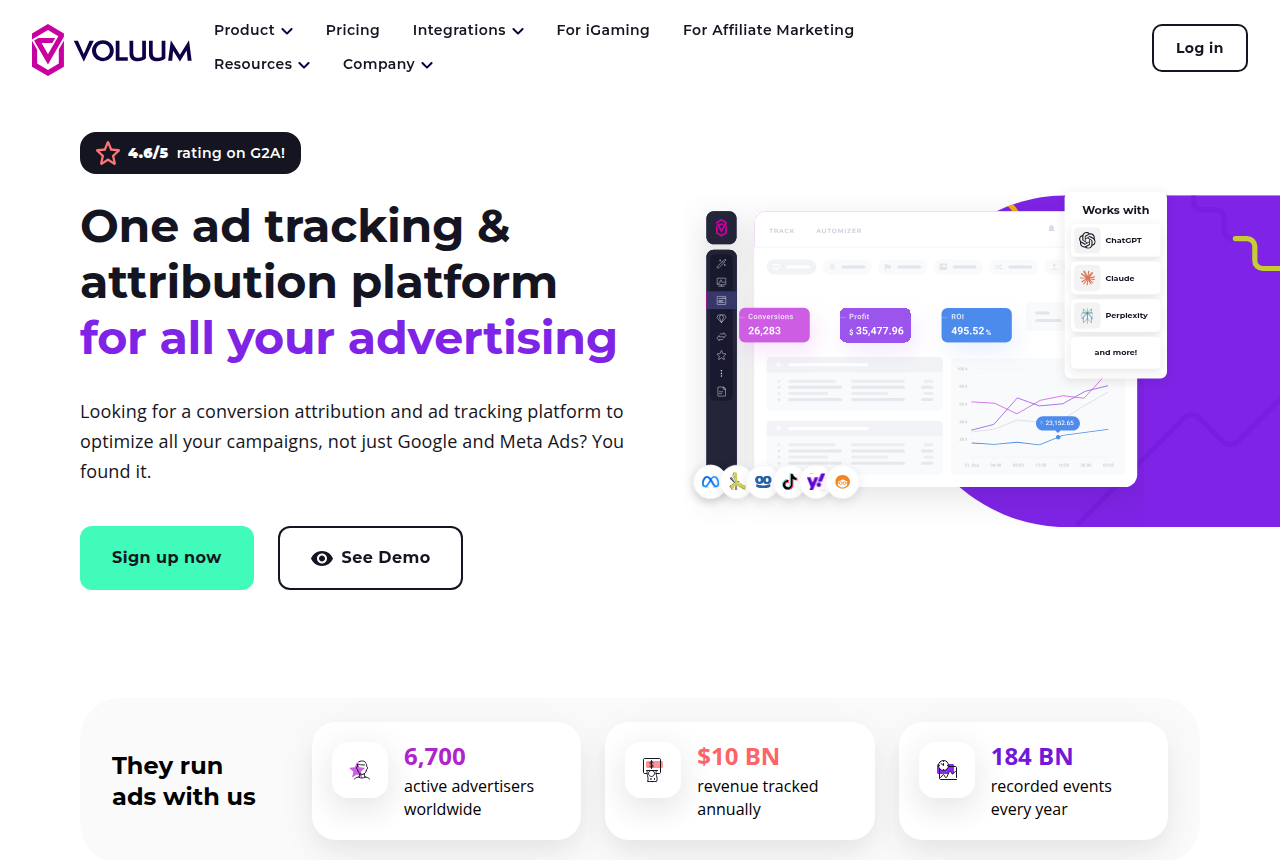
An affiliate tracker mints a click id, puts that id on the offer URL, and expects the network to return it after the conversion. Voluum's postback article is that loop in one place: the id is created where the conversion will be stored, the network receives it, and the postback brings it home.
A funnel builder is the host for the page you advertise. When its own checkout takes the card, the order sits with the page. The two products meet at the postback, and the direction decides who keeps the sale.
ElasticFunnels' affiliate tracking doc splits the call in two. Inbound means the network calls the funnel, so the funnel can file the sale, the refund, the chargeback and the rebill. The networks named for that inbound call are BuyGoods, ClickBank and JVZoo. Outbound means the funnel calls a tracker, including RedTrack, and passes the click id with a purchase, a refund or a chargeback.
Getting the sale into Meta or Google is separate from where the page is hosted. Facebook pixel vs Conversions API sets the browser event next to the server event. Google stores an identifier on the click, and the offline conversions guide explains how that identifier goes back. The signal checker lists the tracker plans whose pages describe a Meta or Google conversion.
Three stacks, filled in
Hosted page, own checkout, sale posted in
A funnel-hosted page, checkout on that platform, an inbound network postback, and both ad platforms. The note comes back as Funnel platform. That is a page and a checkout on ElasticFunnels, with a BuyGoods sale joining the inbound list above.
Funnel pages into a network checkout
Payment on the network, plus an outbound postback, with the page still on a funnel. That set is Both. ClickFunnels pages aimed at a ClickBank checkout belong here when a tracker has to receive the sale. RedTrack or Voluum is the tracker side of that pair.
Lander on the tracker, offer on the network
Put the lander on a tracker, or use the network URL alone, and let the network take the card. The label is Dedicated tracker. The click never had a funnel record to land in. Voluum's loop above is the whole job.
My take
I would start with the funnel platform when the sale is recorded there, at checkout or from the network. A dedicated tracker is what I would pick when the landing page is hosted on the tracker, or when the only URL is the offer. I would run both when the page stays on the funnel and the tracker still has to name the lander behind the network sale.
A dedicated tracker
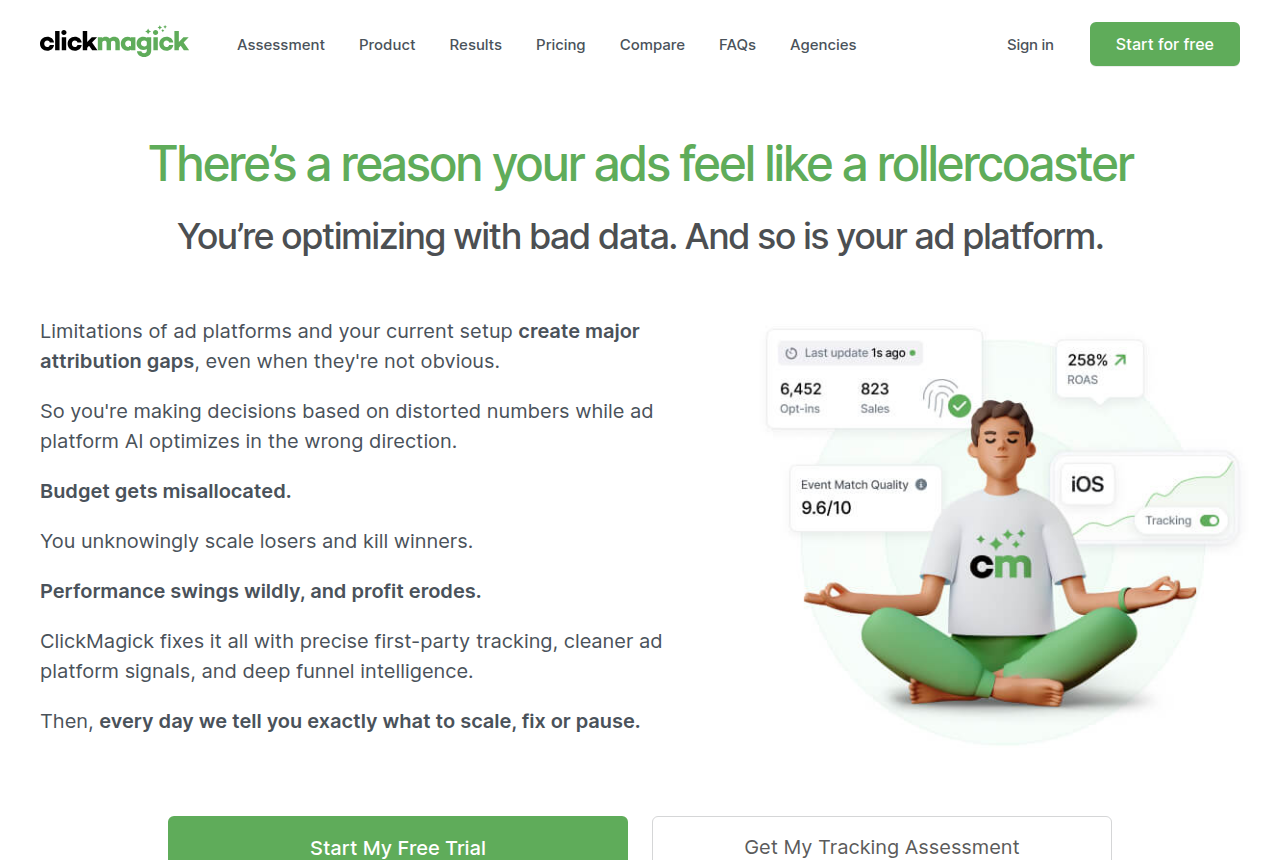
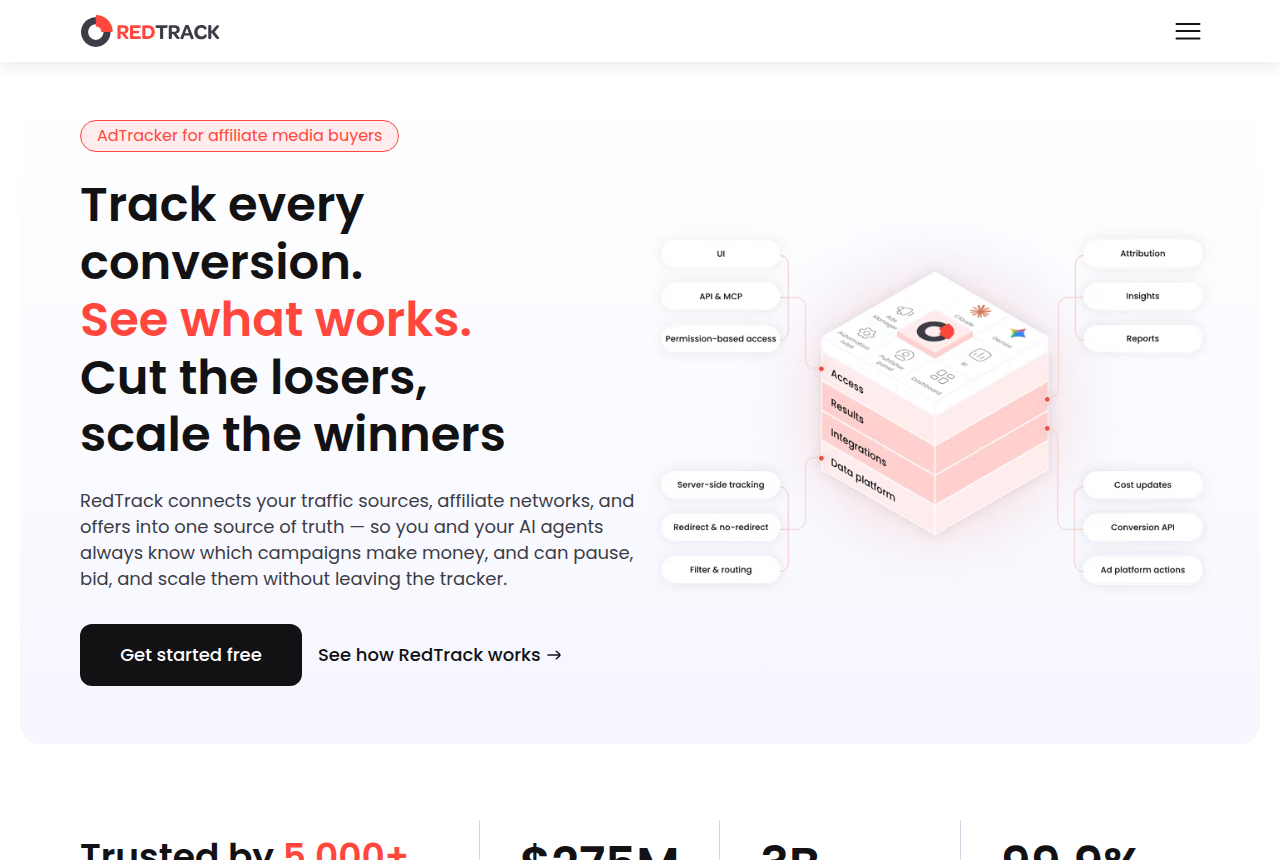
RedTrack's homepage describes one place for traffic sources, affiliate networks and offers, with conversions routed back to the ad platforms. The RedTrack review is the longer read on that plan. ClickMagick caps visitors, and it fits when the pages are already built on another host. Voluum is the event tracker in the postback walkthrough above. The affiliate tracker pricing calculator is where a month of clicks meets those entry plans.
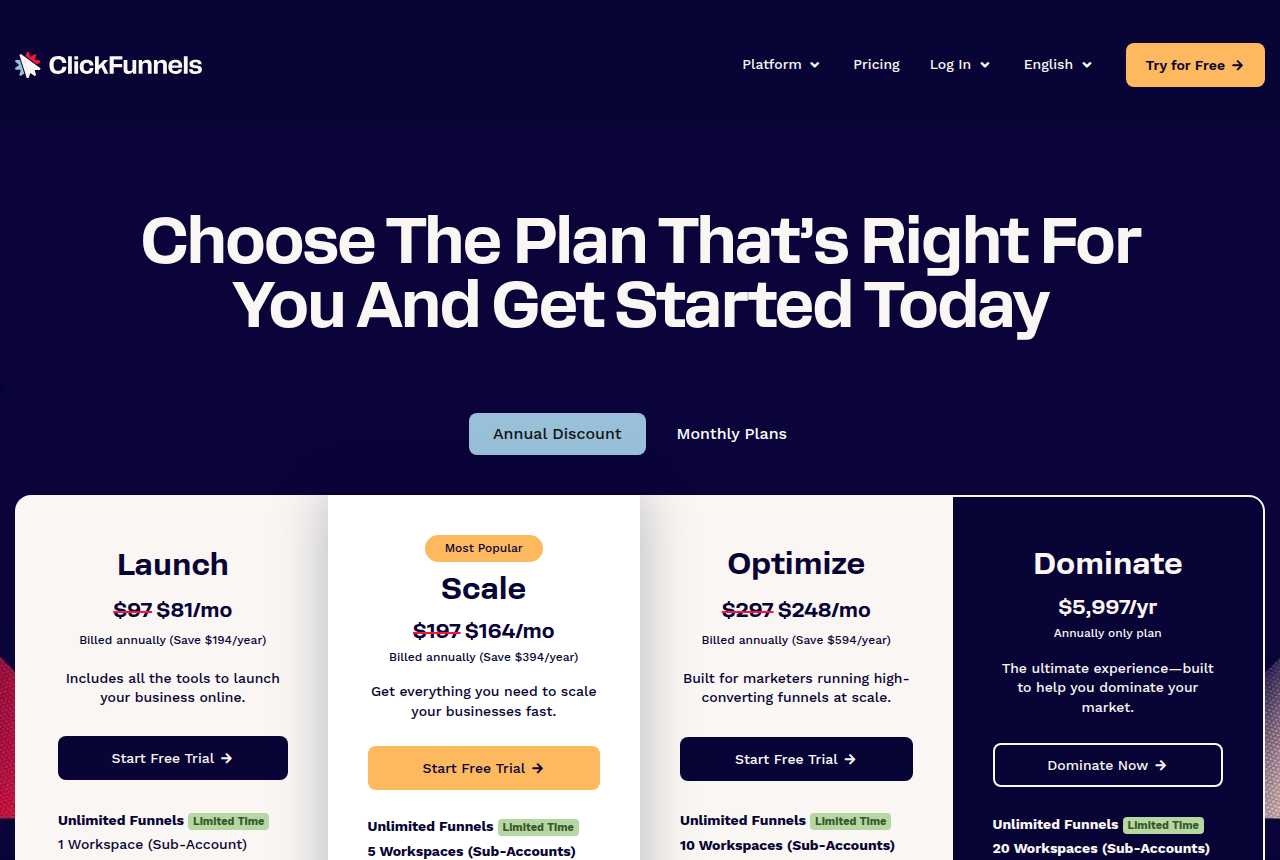
ClickFunnels is the page builder in the second example. On the ClickFunnels pricing table, Affiliate Center is left off Launch and Scale, and it is included on Optimize and Dominate. Affiliate Center is how you run your own partner program. The ClickFunnels review, and ElasticFunnels vs ClickFunnels, compare those two builders. Promoting someone else's offer still uses the click-id loop described above.
When the funnel holds the sale
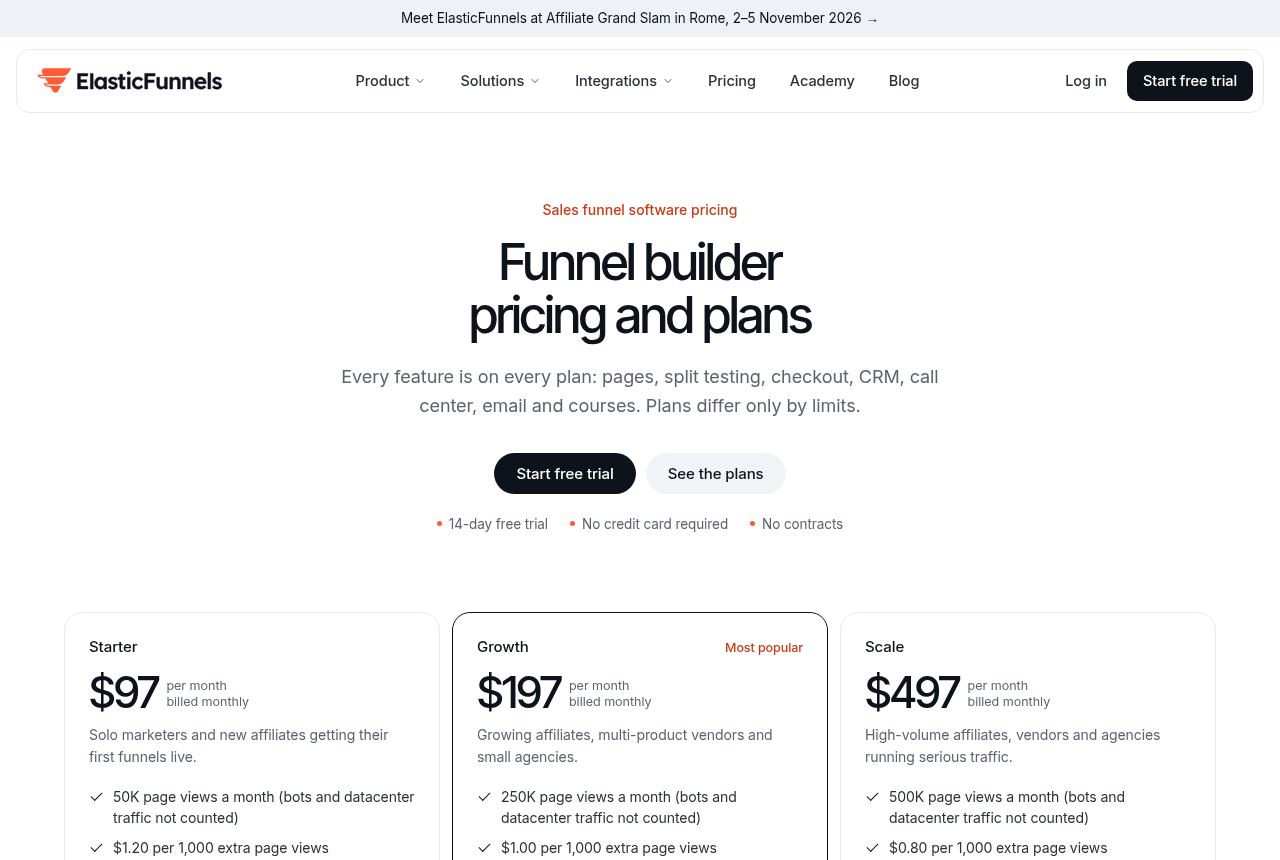
ElasticFunnels is a funnel platform for paid traffic. Its homepage describes building the page, split-testing it under one URL, taking the order, and showing which ad or affiliate made the sale. The inbound path above is how a network sale joins that record. Plans differ by usage limits. Sending the sale to Meta and Google is included on Starter, the first paid plan. The trial lasts 14 days and does not ask for a card. The ElasticFunnels review goes through the rest of those limits.
It is newer than the platforms it competes with, and there is very little independent third-party review coverage to check its claims against. Until you run real volume through it, you are largely taking the vendor's word for it. It has been on the market since 2023.
Both, when the lander report lives in a tracker
Turn on the outbound path above when a tracker has to attribute the lander and the funnel is only the host. ElasticFunnels can pass a purchase, a refund or a chargeback to RedTrack with that id, so the tracker can report the lander. Build that address in the postback URL builder.
The second worked example is the other way into the same pair: funnel pages, a network checkout, and no inbound sale on the builder. Ads Manager purchases vs approved sales is the next check once both products are sending numbers.
Questions
Do I need a tracker if I have a funnel builder?
What does a funnel builder with affiliate tracking record?
Affiliate tracker vs funnel builder: which one tells Meta and Google?
What does a tracker cost once I know I need one?
What we read
- ElasticFunnels homepage
- ElasticFunnels affiliate tracking
- RedTrack homepage
- Voluum S2S postback
- ClickFunnels pricing
Related reading
- Full ranked roundup of affiliate trackers, ordered by the job each entry plan does.
- Affiliate tracker pricing calculator, once you know a tracker is in the stack.
- Which entry plan sends sales to Meta and Google, including the trial and whether a card is required.
- The postback URL builder assembles the network address, including the click id and the payout.
- Ads Manager purchases vs approved sales, set beside held and rejected.
- ElasticFunnels vs ClickFunnels, the two page builders side by side.
- Facebook pixel vs Conversions API, what each path sends on a sale.
- Google Ads offline conversions and the gclid, for the upload that follows a click.
- ElasticFunnels review
- RedTrack review
- ClickMagick review
- Voluum review
- ClickFunnels review
Written by
Nadia Lindqvist
Affiliate tracking
Nadia covers affiliate tracking software for people who buy Meta and Google traffic. She reads vendor pricing pages, documentation and long-term user reports, and she writes about which tracker fits a given buyer.
Last checked 2026-10-21
Comments
No comments yet. Questions and your own experience are welcome.
Thank you. Your comment will appear once it has been reviewed.